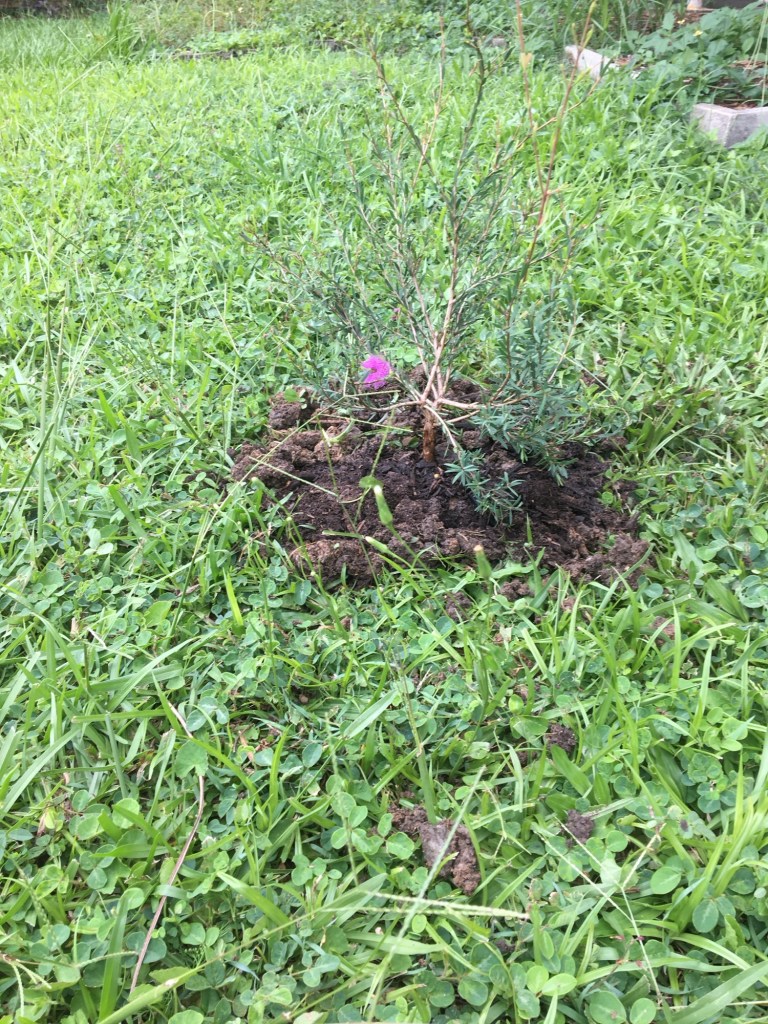
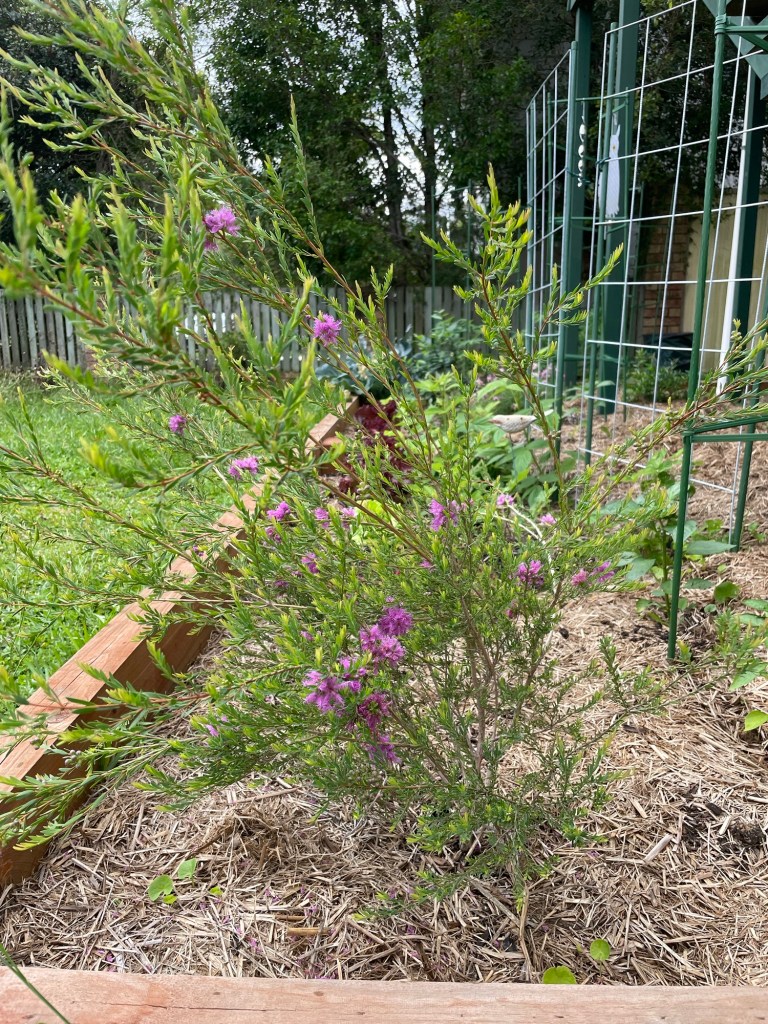
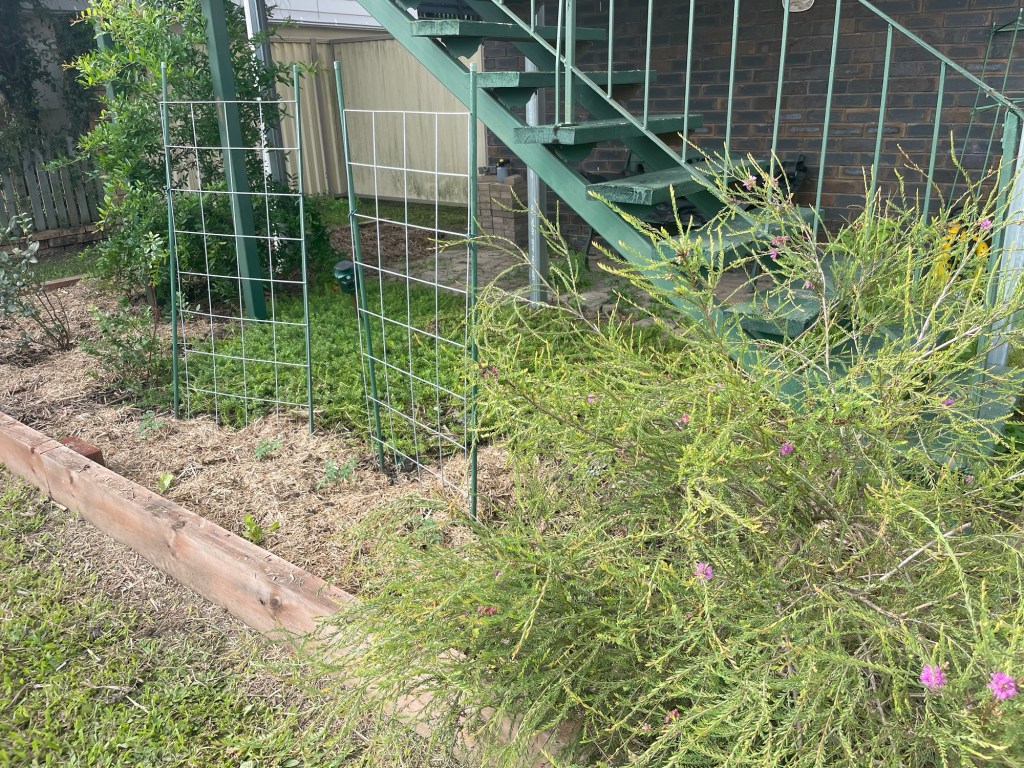
In my opinion, this plant is severely under-utilised in gardens. Its resilience is quite remarkable – it thrives in tough conditions, tolerating drought and even fending off moderate frost (although in Brisbane, frosts are not a concern). This plant requires minimal care, with only a light trim and no significant need for fertilisers. Its benefits extend far beyond ease of maintenance. Here are some interesting facts about this remarkable beauty.
Endemic to southeast Queensland and northern New South Wales, this plant goes by the scientific name Melaleuca Thymifolia. The name “Melaleuca” has its roots in Greek, combining “melas,” meaning black, and “leukos,” meaning white. This name originates from the first Melaleuca discovered, which boasted white branches and a black trunk, likely charred by fire. Another interpretation contrasts the white bark with the dark foliage found in some species. As for “Thymifolia,” it signifies thyme-leaved, given to plants with similar leaves.
To read the rest of the article, become a patron. Here you will receive exclusive content, digital files and depending on what Tier you subscribe to physical products in the post.
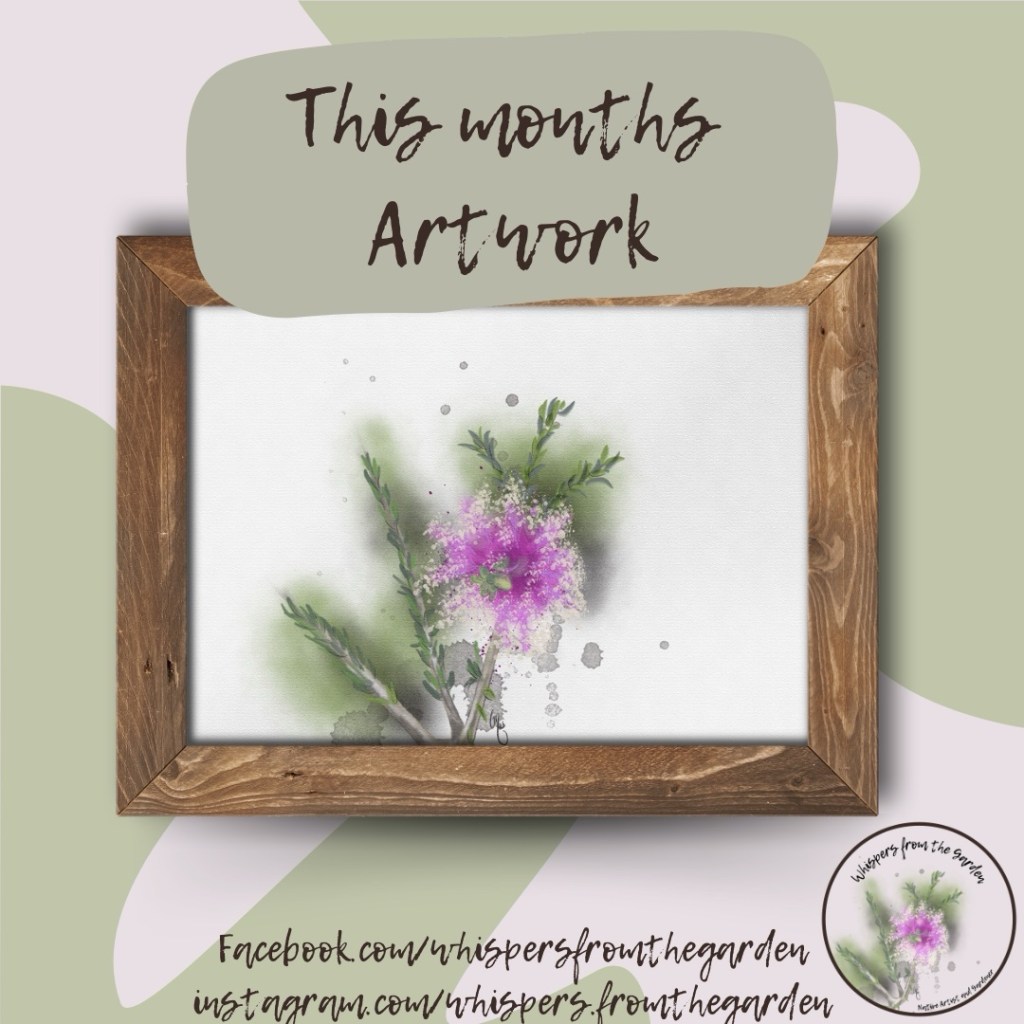
Wishing you endless inspiration and flourishing creativity in your art and garden endeavors. Happy creating!
Disclaimer: Planting non-native species in your area can have unintended consequences, such as invasiveness or weed-like behaviour. Before planting, thoroughly research to ensure responsible gardening. Consider native species suited to your region’s climate, soil, and ecosystem. Consult local experts for advice on suitable plants and potential impacts. Be mindful of characteristics that may promote dominance. Check local regulations and monitor your garden for any negative effects. Responsible planting preserves local biodiversity.

 Whispers from the Garden
Leave a comment